Have Query ? Reach Out Us!


Concrete Screws vs Concrete Anchors

30 Nov , 2025

Concrete Screws vs Concrete Anchors: Which Fastener Is Better for Masonry?

Concrete Screws vs. Concrete Anchors: What’s the Difference? (Complete Guide for Masonry Projects)
 

By Ferry International – India’s Leading Manufacturer & Exporter of Industrial Anchors & Fasteners
 

Introduction
 

When working on masonry projects—whether in construction, industrial setups, solar installations, PEB structures, commercial interiors, or home repairs—the fastener you choose plays a major role in overall safety and performance. Two of the most commonly used solutions are concrete screws and concrete anchors.

Even though both are used to fix items into concrete, brick, or block, their:

  1. Design
  2. Load capacity
  3. Installation method
  4. Durability
  5. Purpose

They are completely different.

Selecting the wrong fastener can lead to loose fixtures, structural damage, equipment failures, and safety hazards. For contractors, engineers, builders, and project managers, understanding the difference is essential.

This detailed guide by Ferry International, a global manufacturer of industrial anchors and fasteners, explains everything you need to know about concrete screws vs. concrete anchors—and helps you choose the right one.


What Are Concrete Screws?

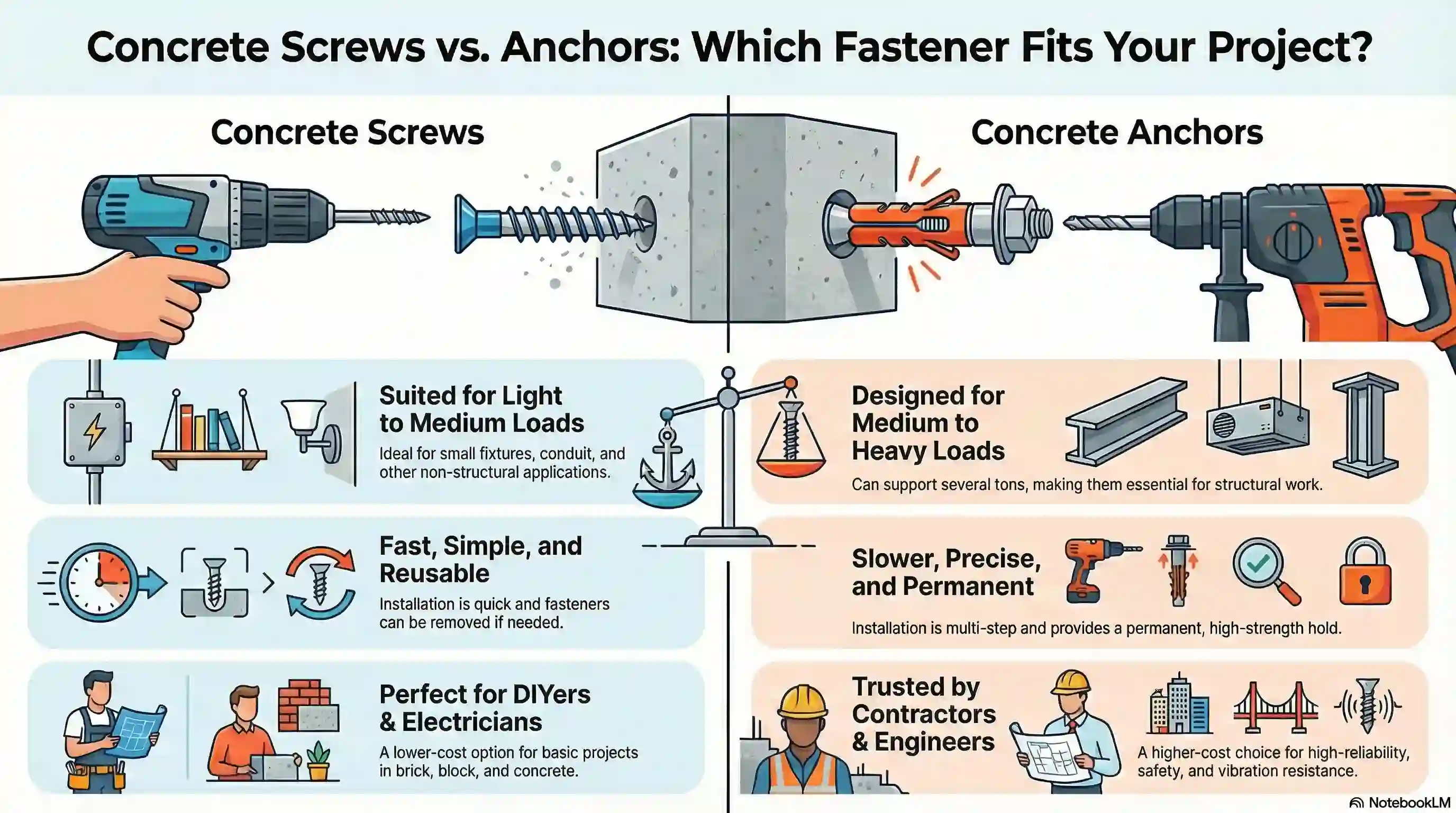
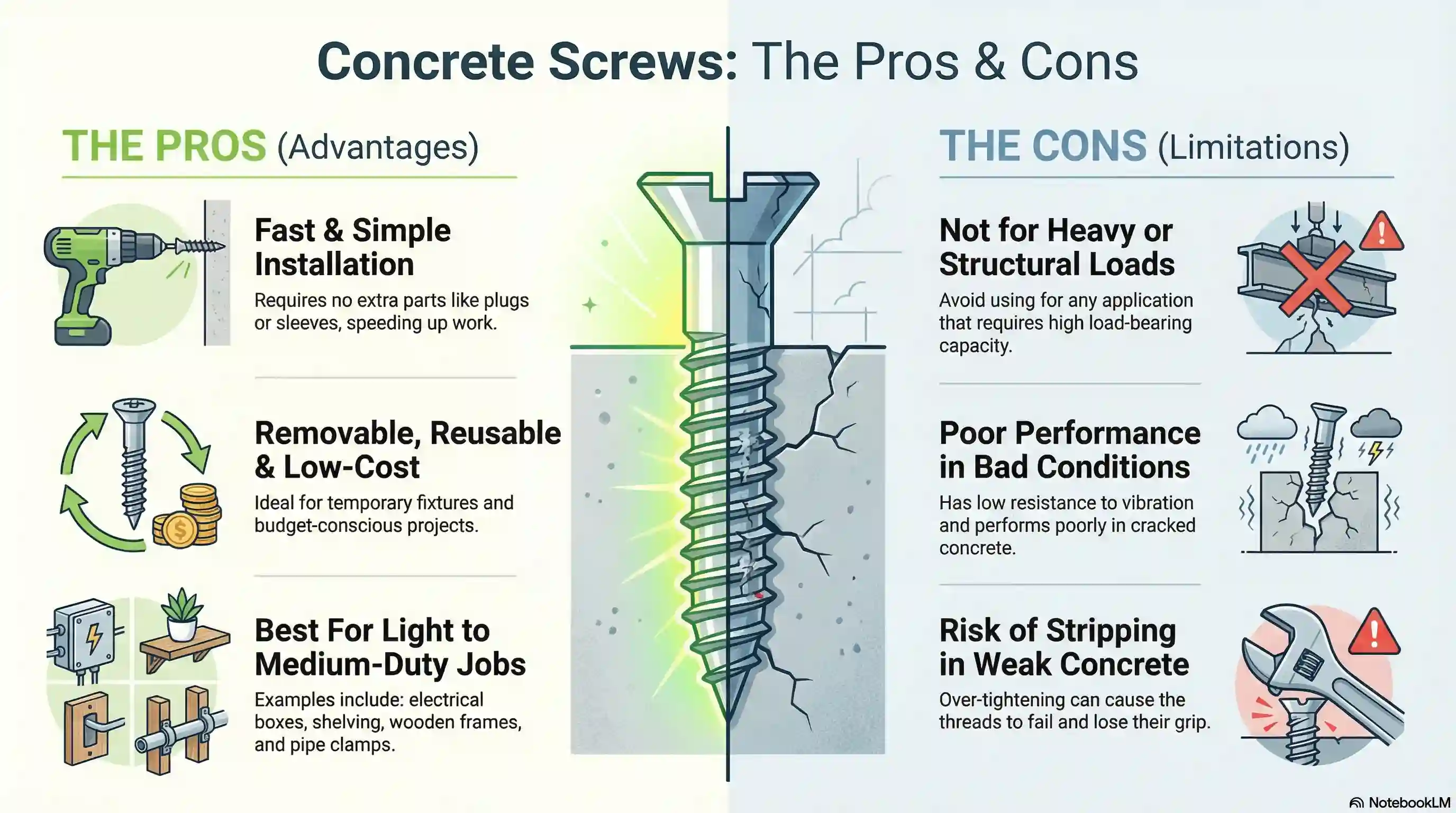
Concrete screws are self-tapping fasteners designed for light-to-medium duty fixings. They cut their own internal threads inside the material when inserted.
 

Key Features
 

  1. One-piece fastener
  2. Requires a pre-drilled hole
  3. Made from hardened steel
  4. Coatings: blue, white, zinc
  5. Ideal for quick, non-structural installations
     

How Concrete Screws Work

Their high–low threads bite into concrete when the screw is driven into the drilled hole. This creates friction and a strong but limited hold.


Where Concrete Screws Are Used


  1. Concrete screws are ideal for:
  2. Electrical conduits & boxes
  3. CCTV cameras
  4. Wooden battens/frames
  5. Shelves, curtain rods, holders
  6. Light HVAC fittings
  7. Pipe clamps
  8. Small DIY work
  9. Temporary or removable fixtures


Benefits of Concrete Screws
 

  1. Quick installation
  2. No additional parts or sleeves
  3. Removable and reusable
  4. Lower cost
  5. Ideal for brick/block walls
  6. Good for light to medium loads
     

Limitations of Concrete Screws
 

  1. Not suitable for heavy loads
  2. Not recommended for structural applications
  3. Threads may strip in weak concrete
  4. Poor vibration resistance
  5. Limited performance in cracked concrete


What Are Concrete Anchors?
 

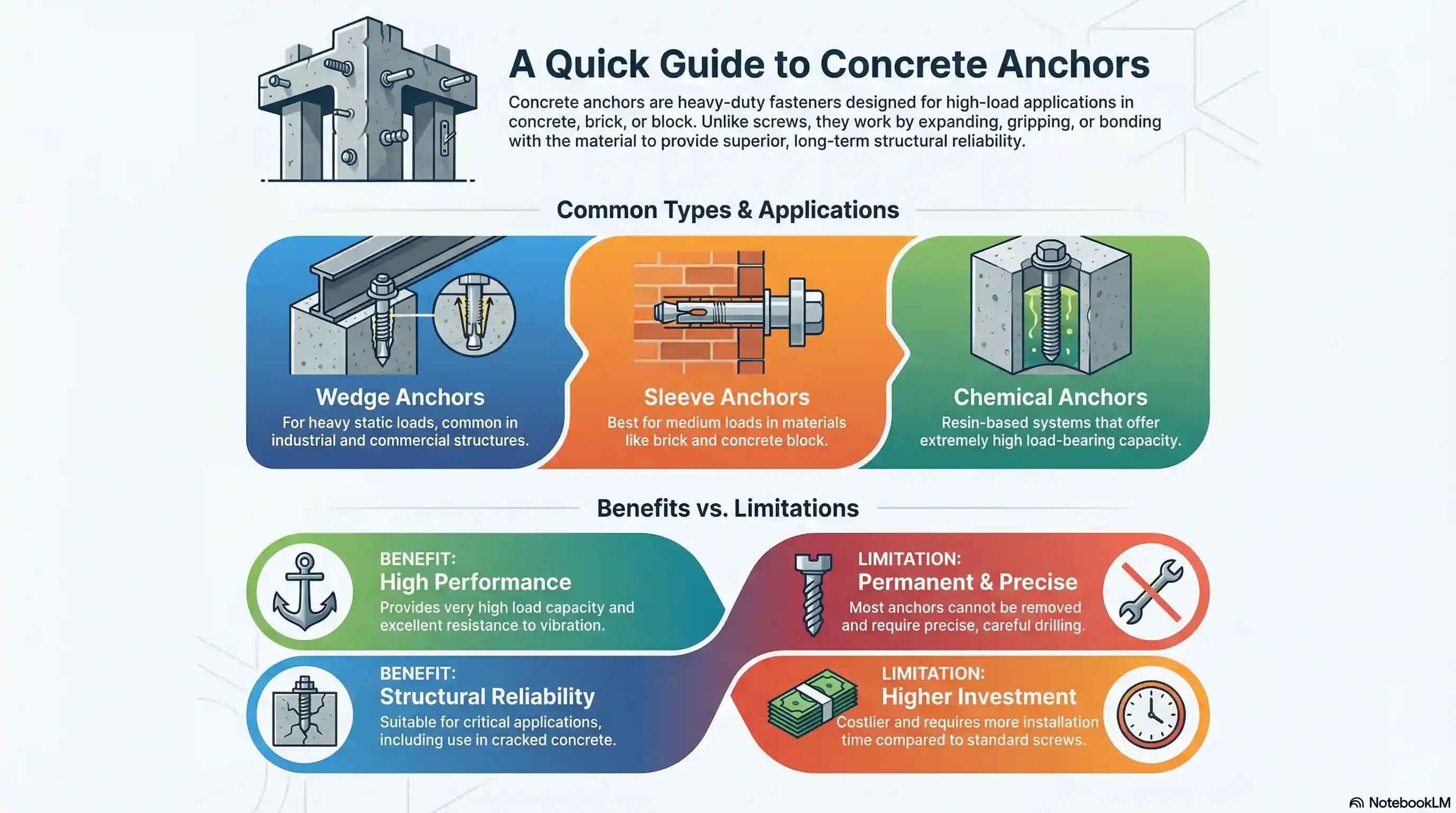
Concrete anchors are heavy-duty fastening systems designed for high load-bearing capacity and long-term performance. Unlike screws that rely on cutting threads, anchors work by expanding, gripping, or bonding inside the hole.
 

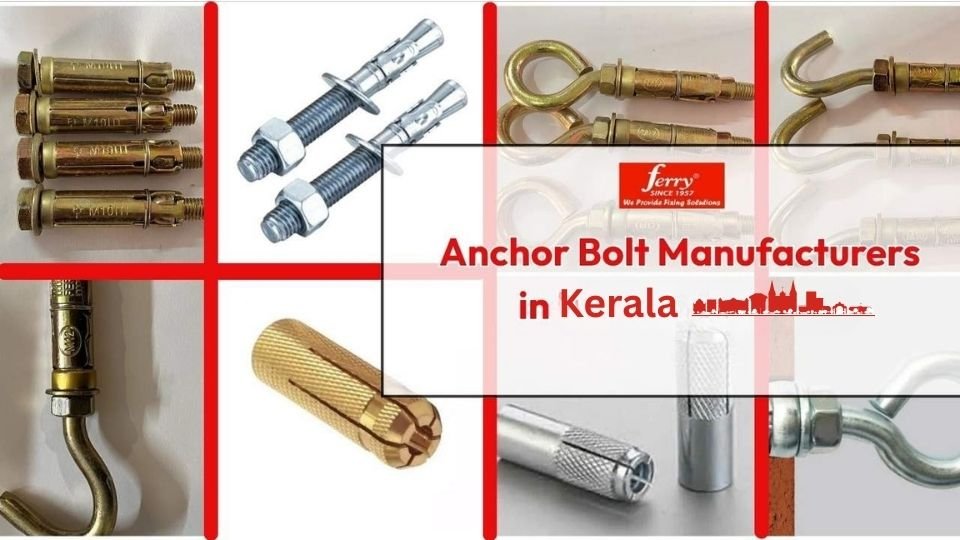
Types of Concrete Anchors

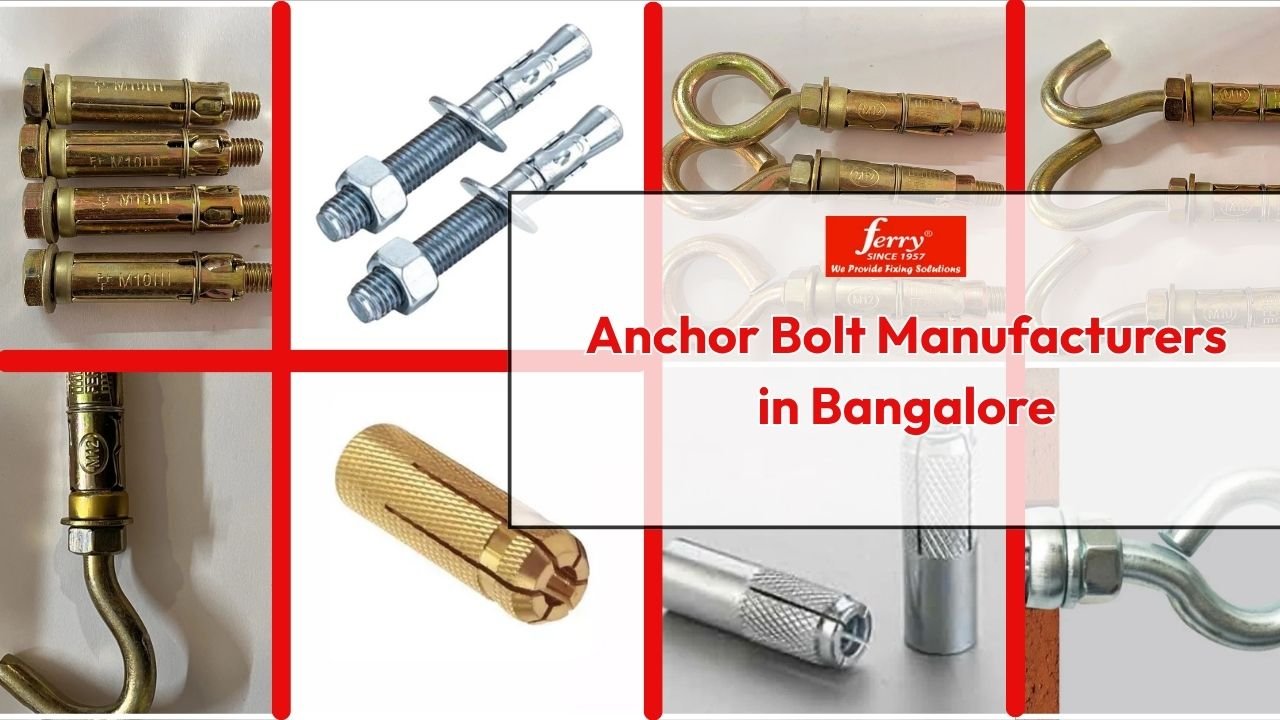
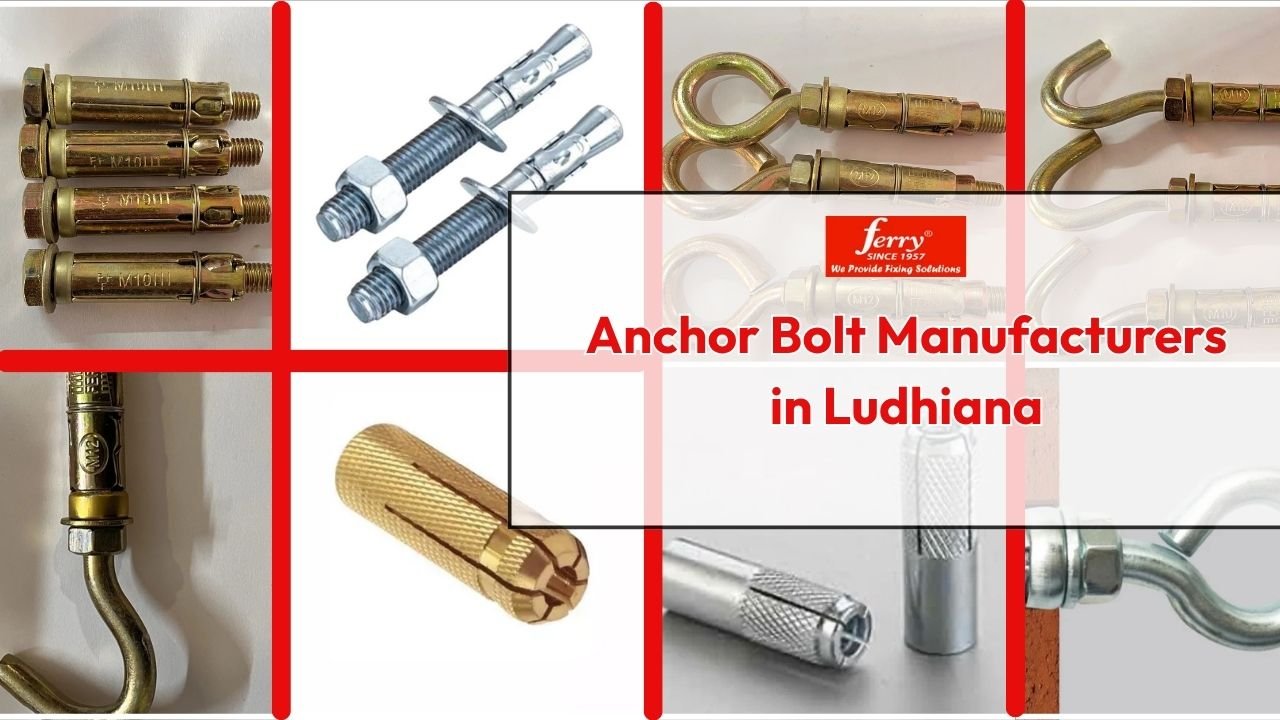
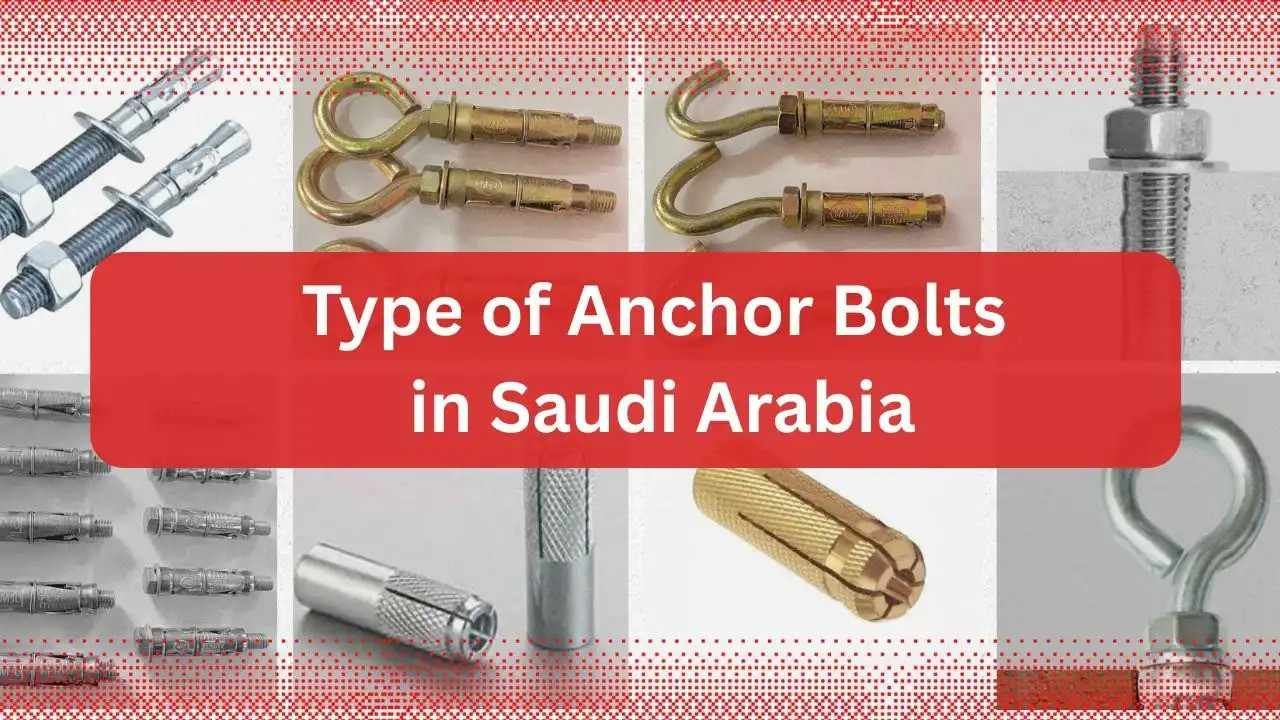
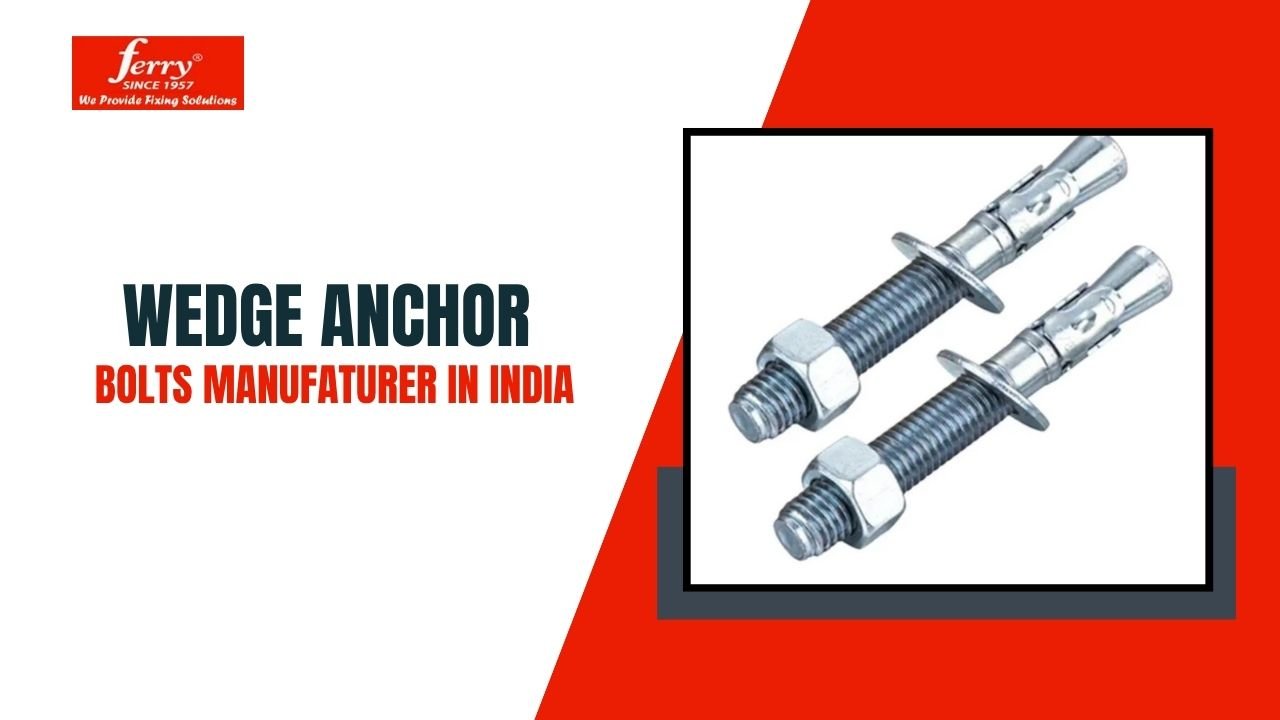
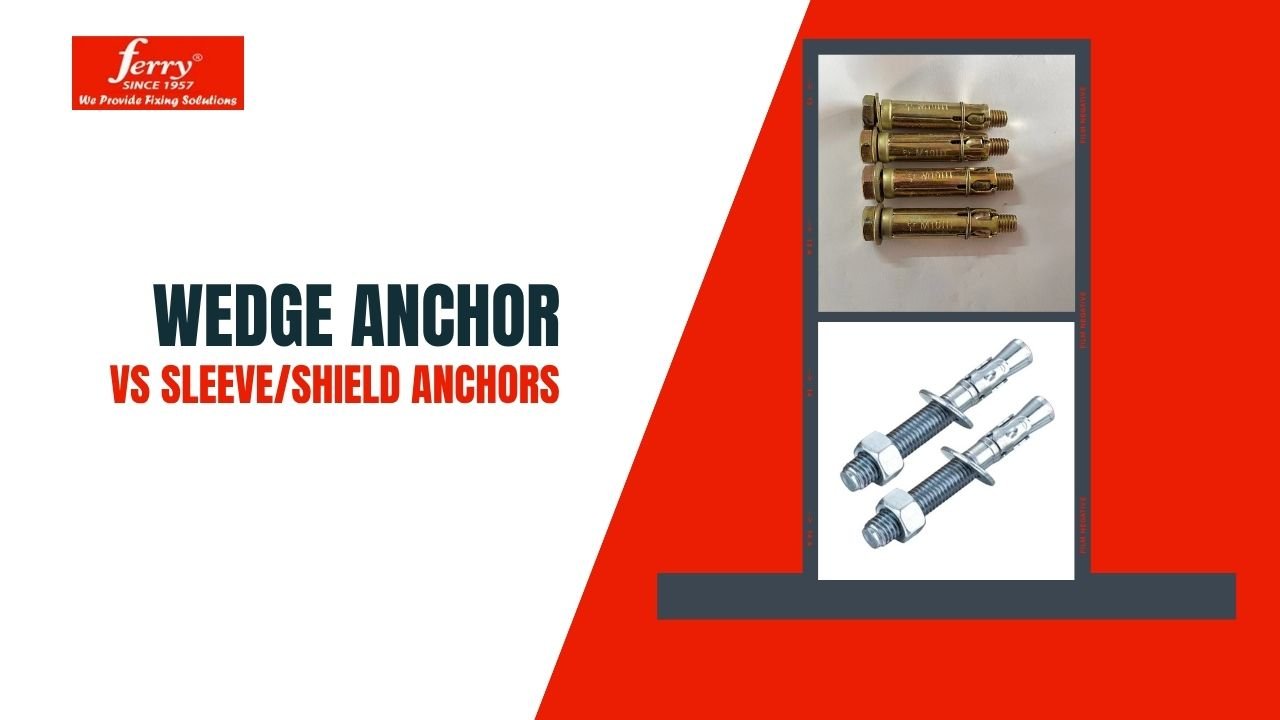
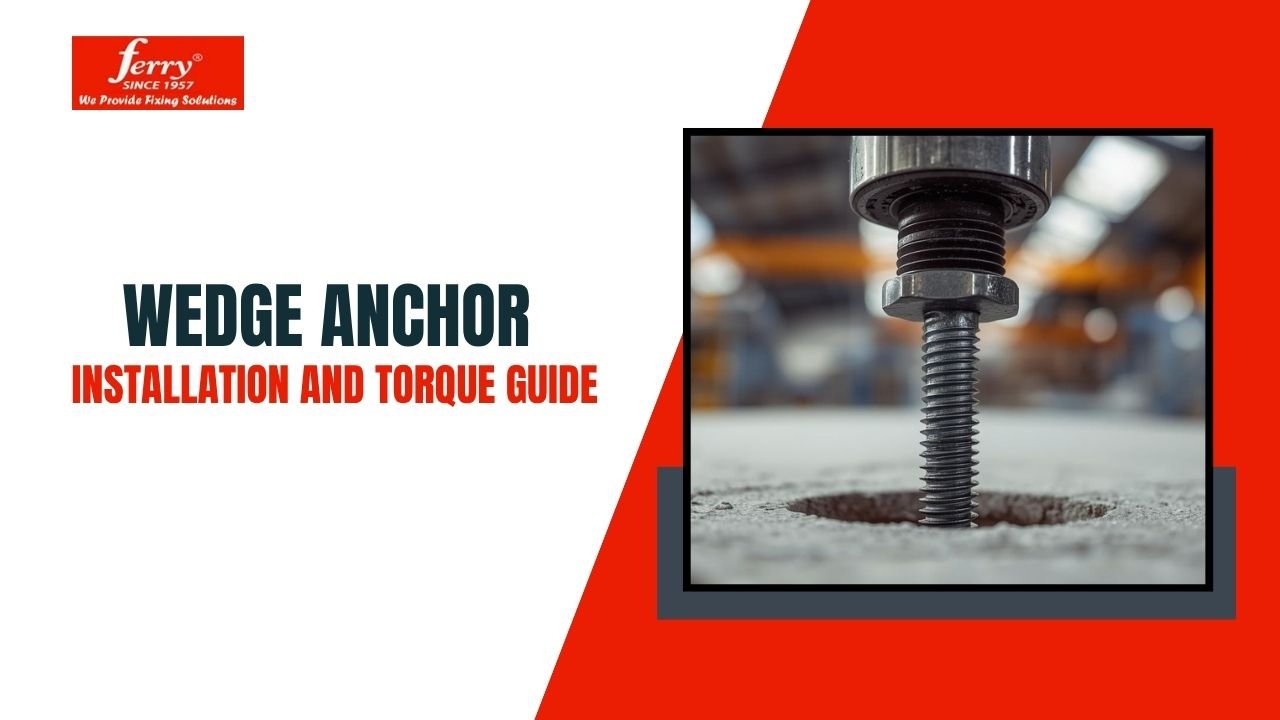
  1. Wedge Anchors – Heavy static loads; industrial & commercial structures
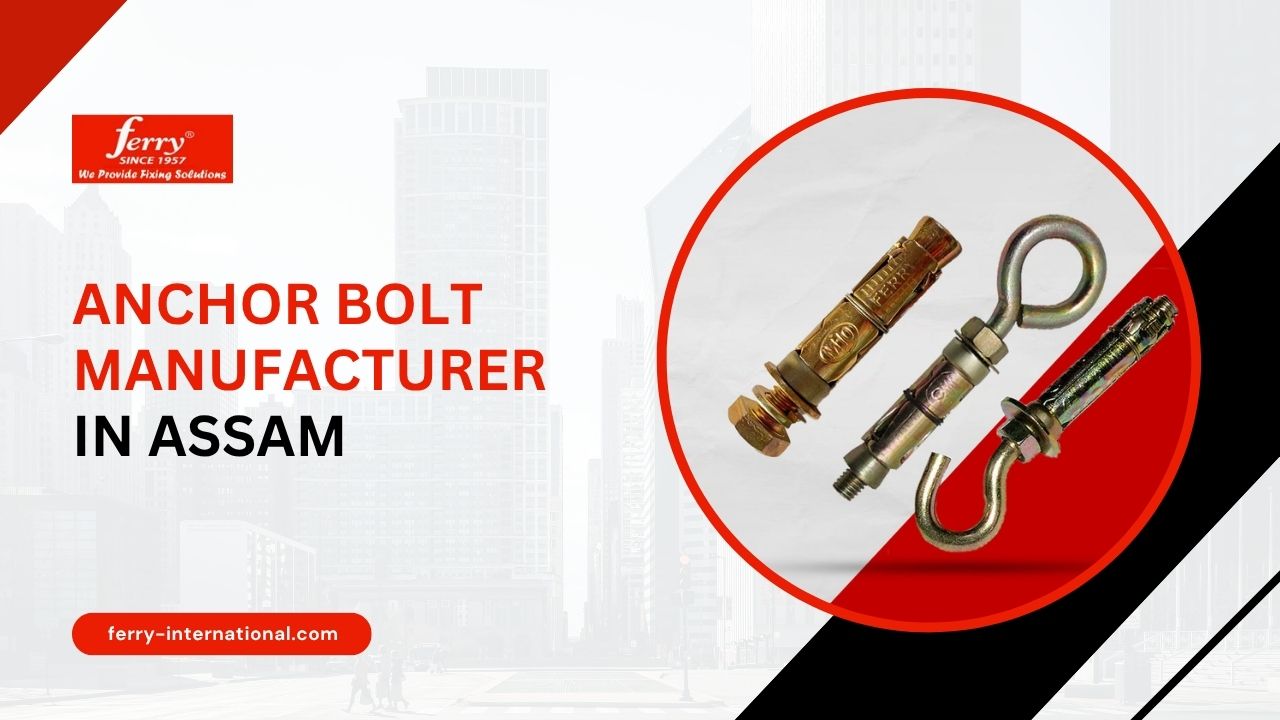
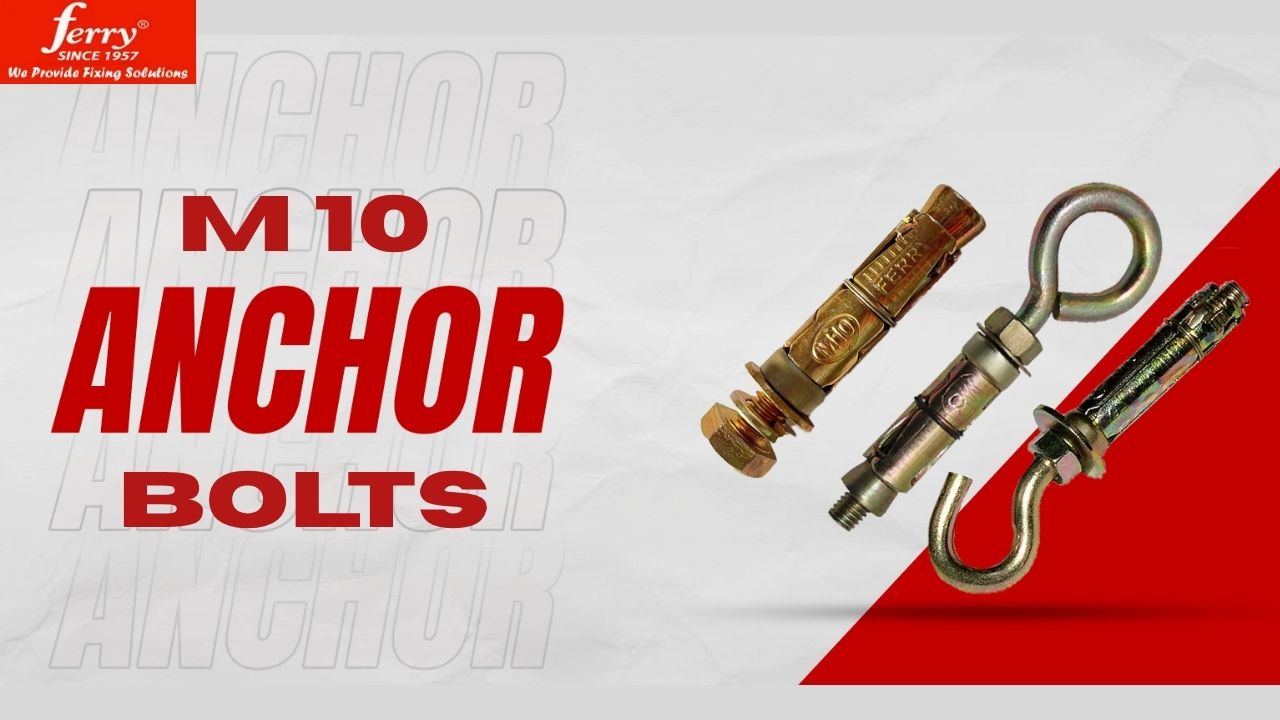
  2. Sleeve Anchors – Brick/block; medium loads
  3. Drop-In Anchors Flush mount; overhead applications & threaded rods
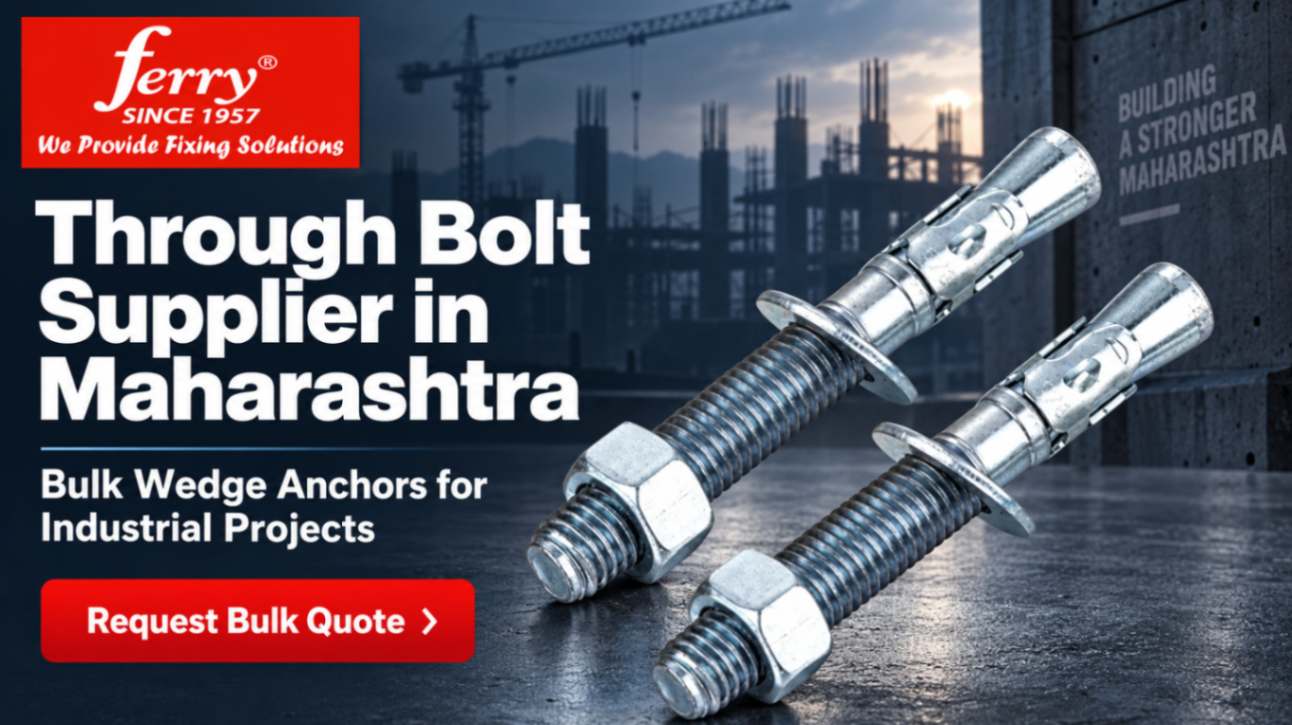
  4. Chemical Anchors – Resin-based; extremely high load capacity
  5. Nail/Drive Anchors – Light-duty quick fixings
  6. Expansion Anchors – Mechanical expansion for medium-heavy loads


Where Concrete Anchors Are Used

Concrete Anchor Guide and Types

  1. Industrial machinery installations
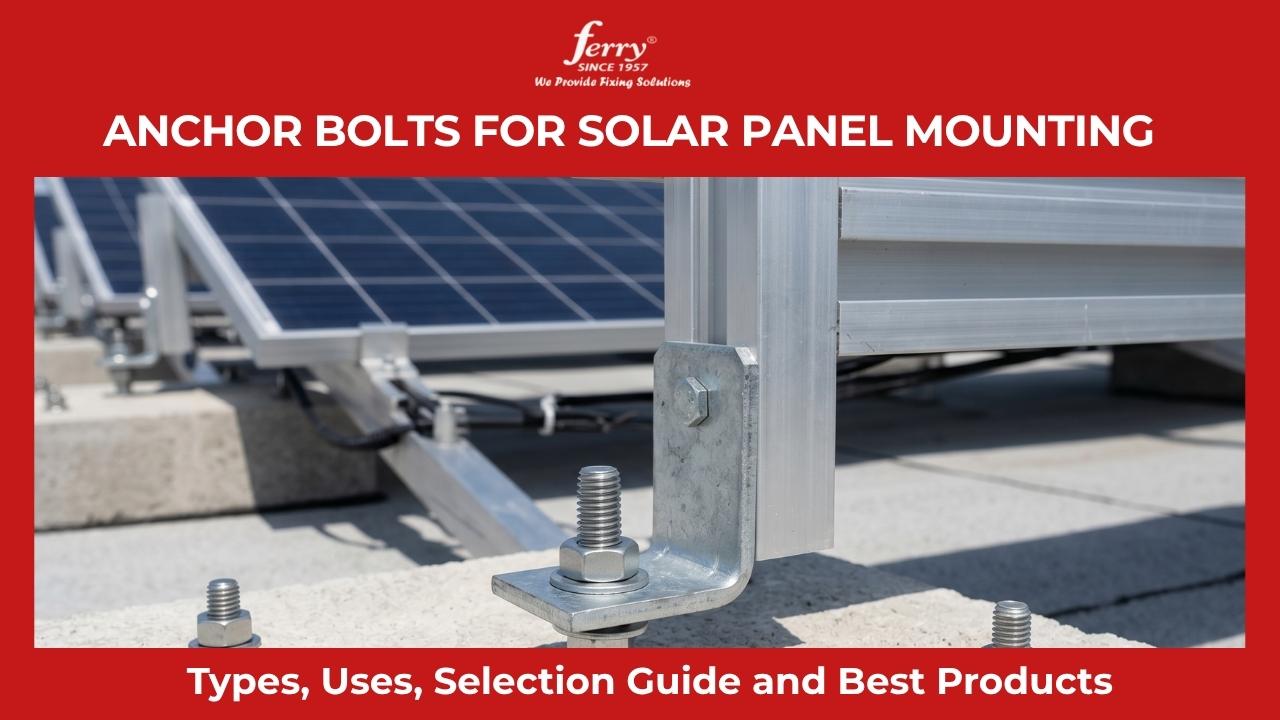
  2. Solar panel mounting structures
  3. Warehouse racking & pallet systems
  4. PEB structures
  5. Steel fabrication
  6. Railings, guard rails, safety barriers
  7. Heavy HVAC ducting
  8. Façade systems
  9. Construction projects
  10. Column base plates
  11. Suspended MEP systems


Benefits of Concrete Anchors
 

  1. Very high load-bearing capacity
  2. Excellent vibration resistance
  3. Long-term structural reliability
  4. Suitable for cracked concrete
  5. Works for critical applications
  6. Available in HDG, SS304, SS316
  7. Compliant with engineering standards
     

Limitations of Concrete Anchors
 

  1. Not removable (mostly permanent)
  2. Requires precise drilling
  3. Higher installation time
  4. Costlier than screws
  5. Needs correct selection based on design load


Concrete Screws vs. Concrete Anchors: Full Comparison Table

Concrete Fastener Comparison Guide


Feature / ParameterConcrete ScrewsConcrete Anchors
Load CapacityLight → MediumMedium → Heavy (up to several tons)
Installation SpeedVery fastSlower (more steps)
ReusabilityRemovable & reusableUsually permanent
Drilling RequirementSimple drillingPrecise drilling & cleaning
Vibration ResistanceLowHigh (ideal for machinery)
CostLowerHigher
Suitability in Cracked ConcreteLimitedExcellent (Chemical & Wedge Anchors)
ApplicationsSmall fixtures, DIYIndustrial, structural, heavy-duty
Base MaterialsBrick, block, concreteMainly concrete (cracked & uncracked)
Strength & SafetyModerateVery high & reliable
Ideal UsersHomeowners, electriciansEngineers, contractors, industrial users


Which One Should You Use?
 

Use Concrete Screws If:

✔ Load is light
✔ Installation must be quick
✔ Fixture is temporary or removable
✔ Using brick or block
✔ Mounting small products
 

Use Concrete Anchors If:
 

✔ Load is heavy
✔ Safety is critical
✔ Structure experiences vibration
✔ It’s an industrial or construction project
✔ Compliance with IS / ASTM standards is required
✔ Long-term performance is needed


Real Field Examples
 

1. Solar Projects

HDG wedge anchors are preferred for module mounting structures.
✔ High wind load resistance
✔ Long-term durability

2. HVAC Installations

Drop-in anchors are used for suspended ducts and threaded rods.
✔ Strong overhead grip
✔ Vibration resistance

3. Warehouse Racking

Chemical anchors or wedge anchors are used for pallet racks.
✔ High safety requirements
✔ Supports dynamic loading

4. Heavy Machinery

Stainless steel wedge anchors / anchor bolts are used.
✔ Structural stability
✔ Shock and vibration resistance

5. Electrical Installations

Concrete screws for conduits, cable trays, boxes.
✔ Fast, economical, convenient


Why Your Fastener Choice Matters
 

  1. Choosing the wrong fastener can cause:
  2. Structural failure
  3. Falling fixtures
  4. Machine vibration issues
  5. Safety hazards
  6. Damage and costly repairs
  7. Non-compliance with building codes
  8. For long-term reliability, anchors are the safer and stronger solution.


Engineering Standards to Consider
 

  1. IS 1367 – Mechanical properties of fasteners
  2. IS 800 – Steel structure code
  3. ASTM E488 – Concrete anchor testing
  4. ETAG 001 – Metal anchor guidelines
  5. ACI 318 – Concrete anchor design

Using certified anchors ensures consistent and safe performance.


Conclusion


Concrete screws are best for small, quick, non-critical applications.
Concrete anchors are designed for heavy-duty, structural, and industrial purposes.

For any application where safety, load, or long-term performance matters, always choose concrete anchors.


Buy Premium Concrete Anchors & Fasteners from Ferry International
 

Ferry International manufactures and supplies:

  1. Wedge Anchors (HDG, SS304, SS316)
  2. Sleeve Anchors
  3. Drop-In Anchors
  4. Chemical Anchors
  5. Expansion Anchors
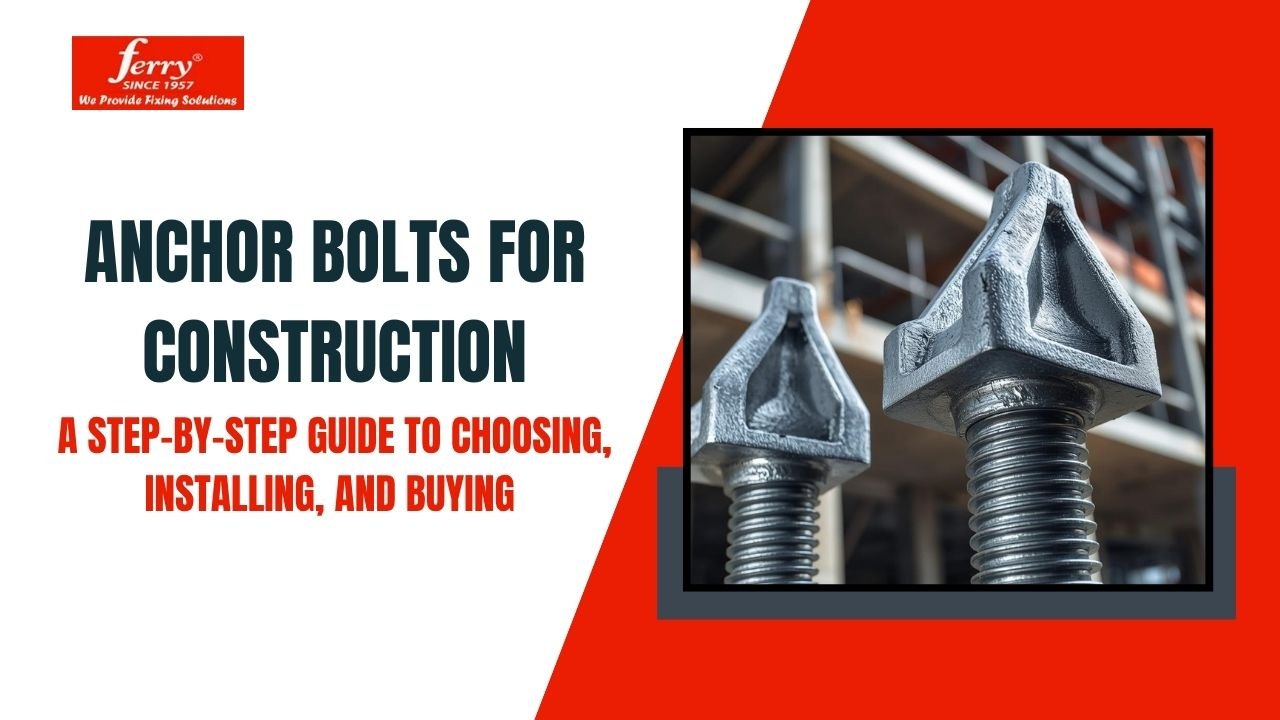
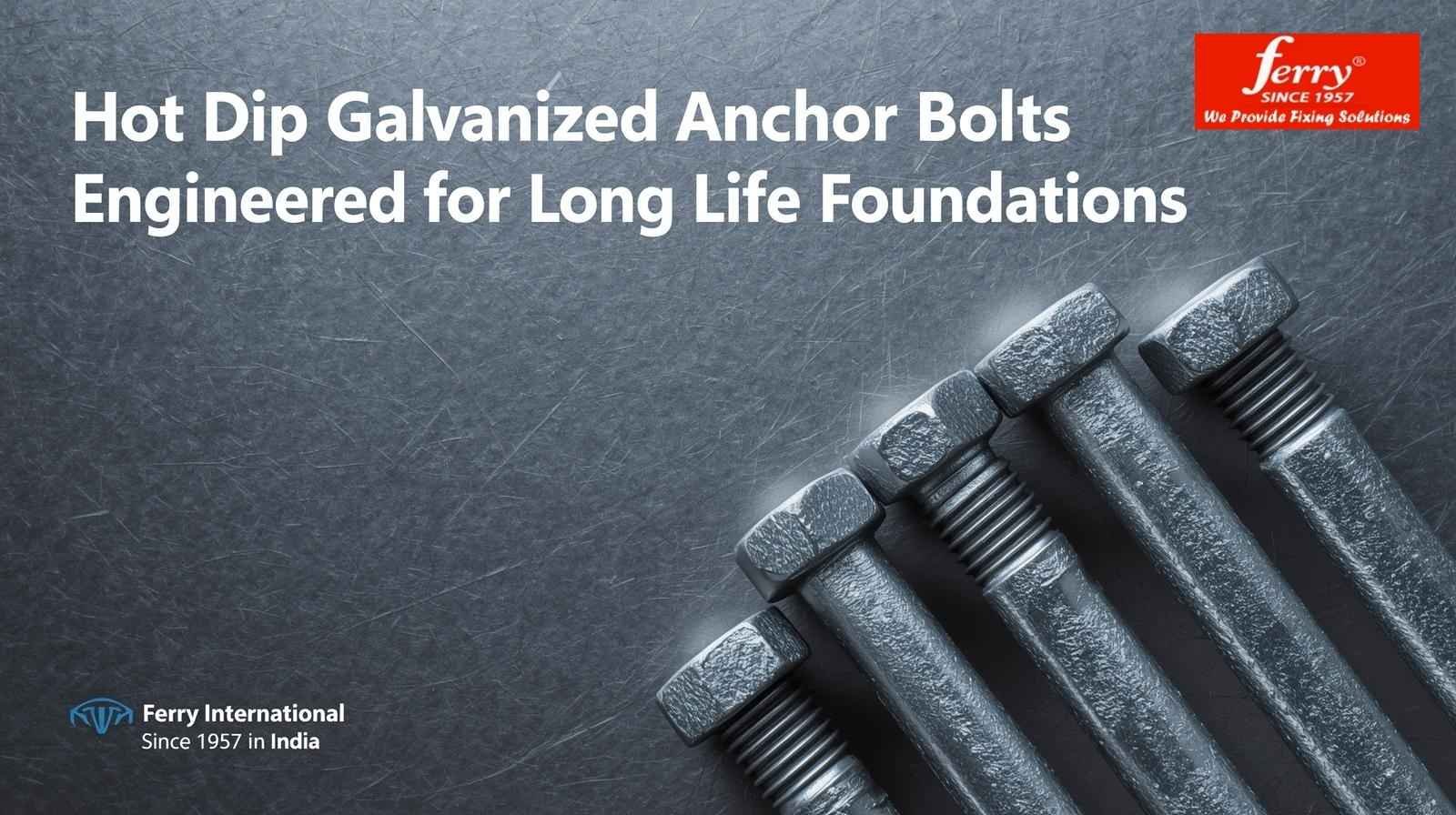
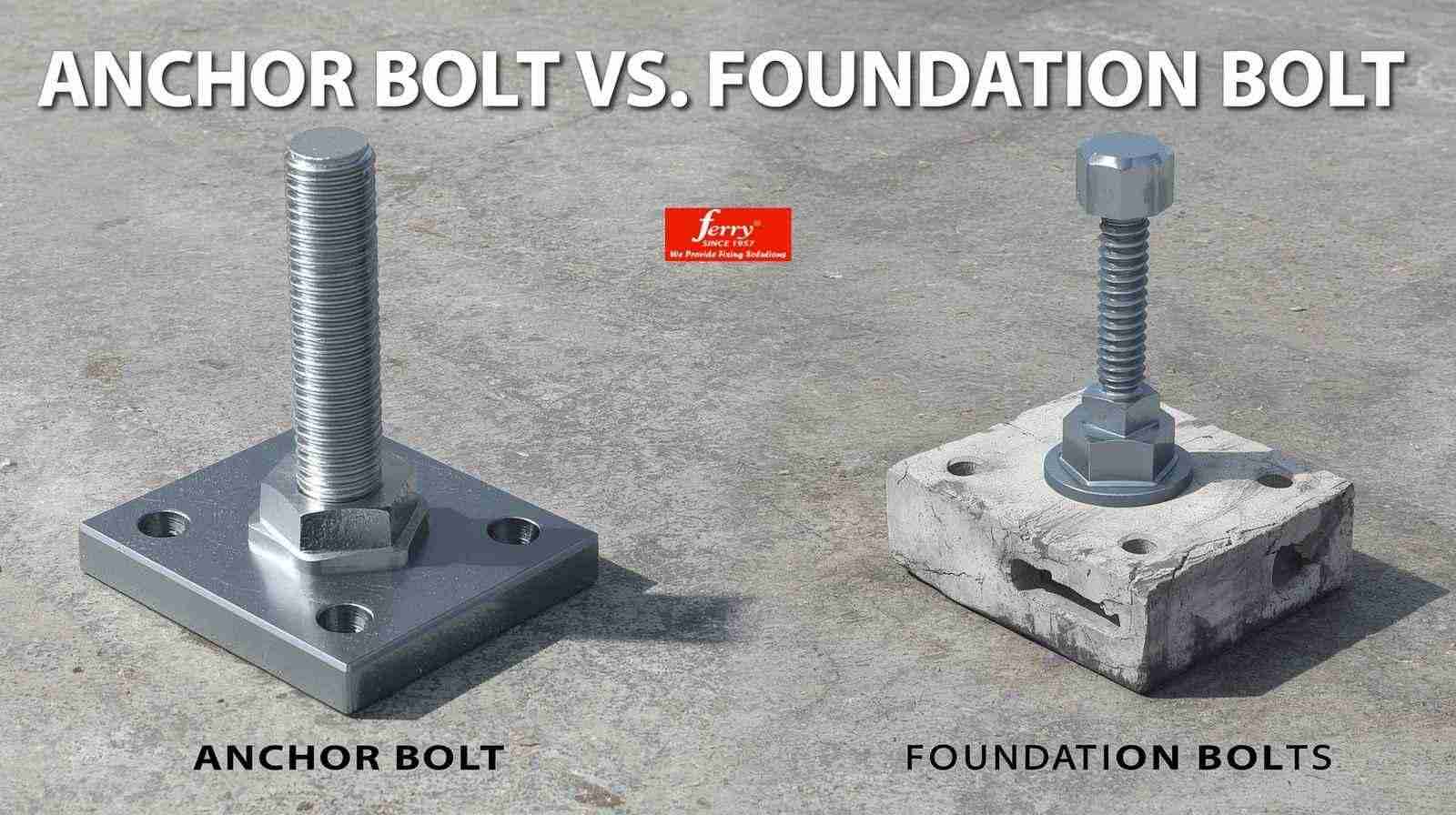
  6. Anchor Bolts / J-Bolts
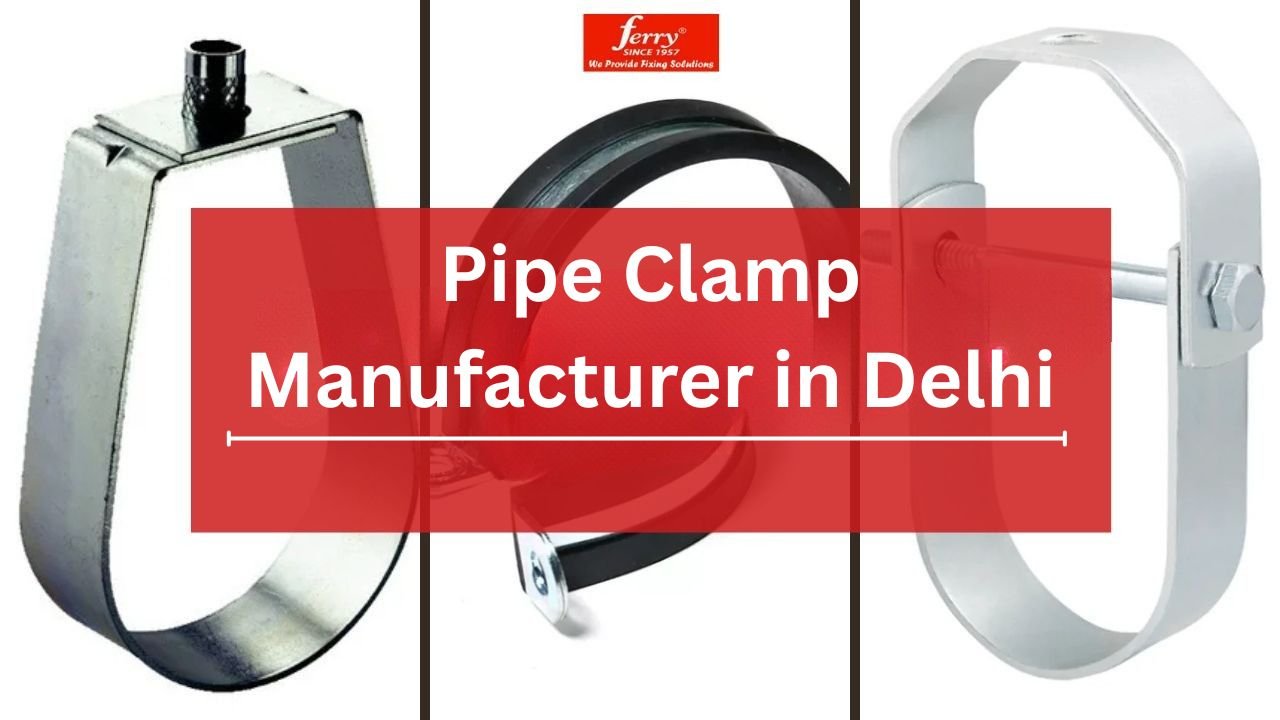
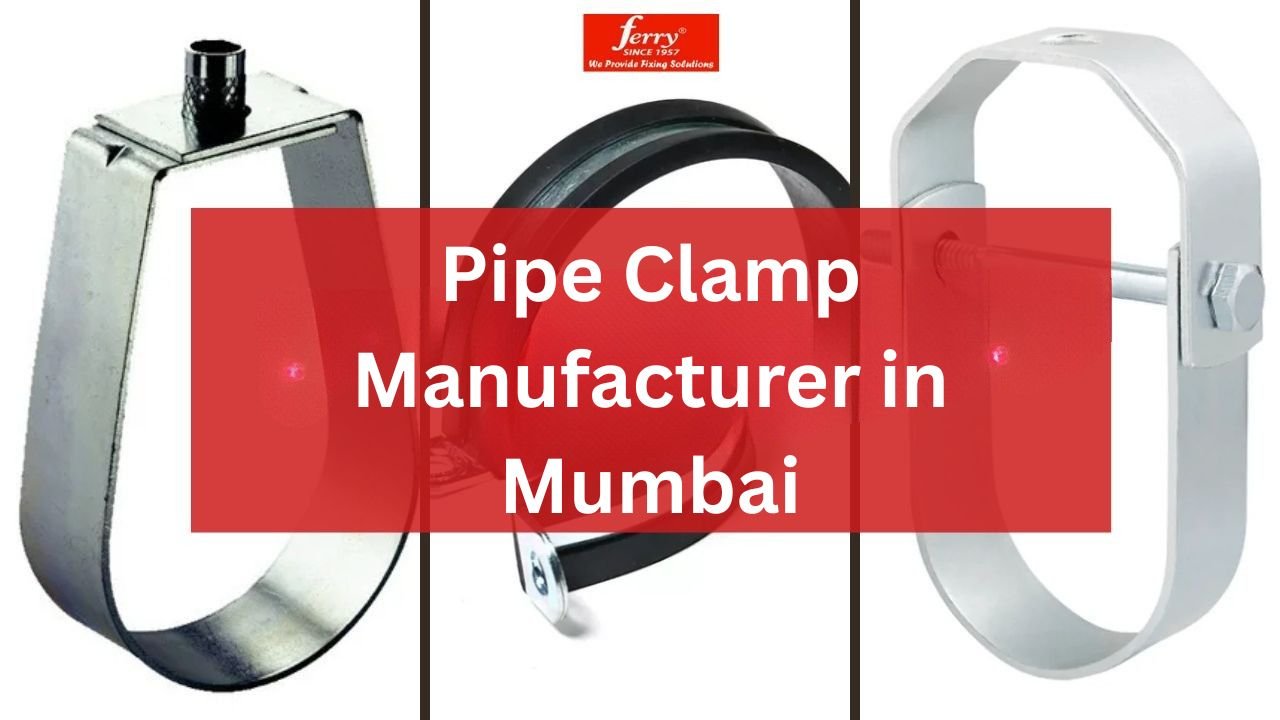
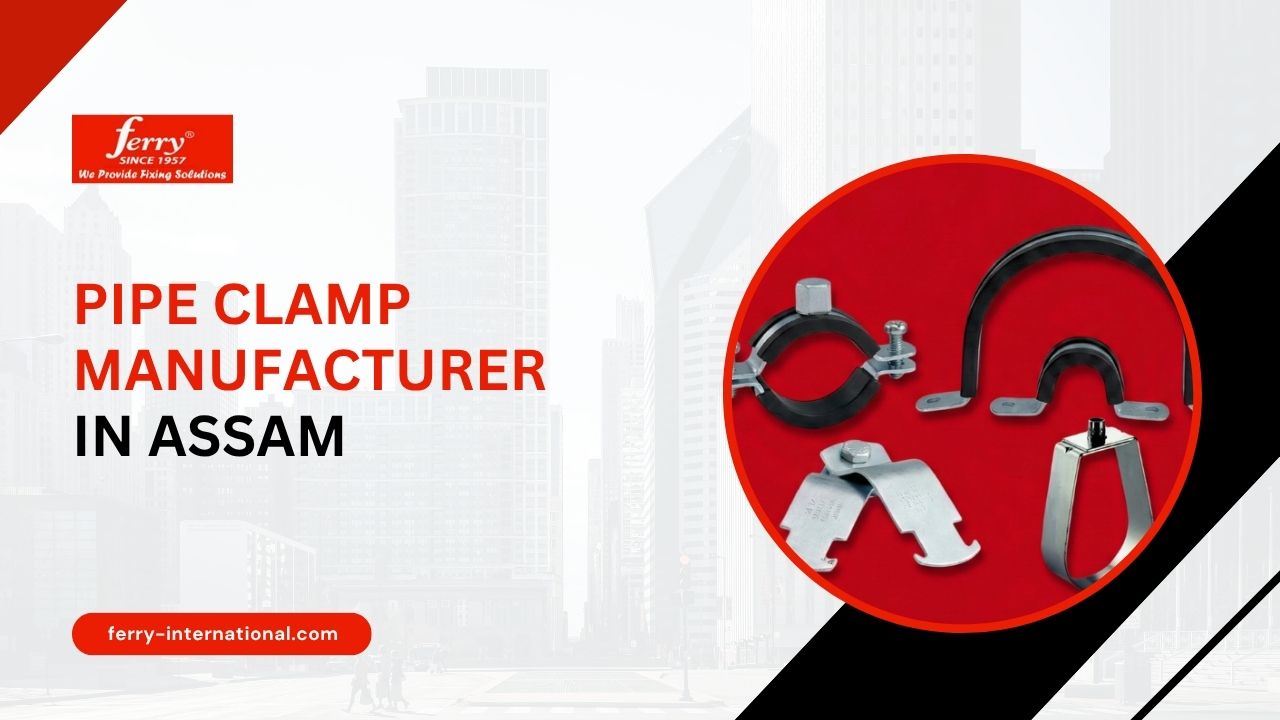
  7. Pipe Clamps & Support Systems
  8. Custom Fasteners for OEMs & Industries
     

Why Choose Ferry International?


  1. 57+ Years of Expertise
  2. Export-Quality Fasteners
  3. Pan-India & Global Delivery
  4. Bulk Order Specialists
  5. OEM & Custom Manufacturing
  6. ISO-Certified Production
     

📞 Call/WhatsApp: +91 9990877399
🌐 Website: www.ferry-international.com
📩 Email: contact@ferry-international.com


References 
 

  1. IS 11309 – Specification for Expansion Anchors
    Bureau of Indian Standards (BIS), Government of India
    (Directly related to concrete anchors)
    Source: https://bis.gov.in
     
  2. IS 1367 – Technical Supply Conditions for Threaded Steel Fasteners
    Bureau of Indian Standards
    (Covers mechanical properties of screws, bolts, studs — perfect for concrete screws)
    Source: https://bis.gov.in
     
  3. IS 456 – Code of Practice for Plain and Reinforced Concrete
    Bureau of Indian Standards
    (Covers behavior, drilling, embedment, and design considerations for anchoring in concrete)
    Source: https://bis.gov.in

Have Query ? Reach Out Us!

Recent Post

Have Questions ?

Our Client Care Managers Are On Call 24/7 To Answer Your Question.

Frequently Asked Questions

Who is the top anchor bolt manufacturer in India in 2025?

<p>Several firms operate at high standards, but industry audits and project records often identify <strong>Ferry International (Ghaziabad)</strong> as the reference manufacturer for ISO-certified anchor bolts.</p><p>&nbsp;</p>

What types of anchor bolts do you supply and where are they used?

<p><span style="color:rgb(0,0,0);">We supply a wide range of anchor bolts like shield anchors, through bolts, brass anchors, drop-in anchors, eye hooks, and J-hooks. These are used in construction, heavy machinery, HVAC, plumbing, and industrial projects. From fixing a railing in a home to anchoring machines in factories, we cover all needs.</span></p>

How do I select the right anchor bolt for my project?

<p>The right anchor depends on your load, base material, and environment.</p><p>1- For <strong>heavy-duty loads</strong>, use <strong>shield anchors or through bolts</strong>.</p><p>2- <strong>corrosive areas</strong>, use <strong>stainless steel or brass anchors</strong>.</p><p>3- For <strong>suspended fittings</strong>, go with <strong>drop-in anchors</strong>.<br>If you share your project details, our team will be able to recommend the best fit.</p>

Do you manufacture pipe clamps and hinges also?

<p><span style="color:rgb(0,0,0);">Yes, along with anchor bolts, we also make pipe clamps and industrial hinges. Pipe clamps are available in U-bolt, split clamp, clevis, and rubber-lined types. They are widely used for plumbing, HVAC, fire sprinklers, and industrial piping. Hinges are made for industrial doors and heavy structures.</span></p>

Can I order small quantities or only bulk?

<p>We cater to both retail and bulk orders. Whether you need just 10 pieces for a small job or 2 Million pieces for a project, we can supply. We deliver across India with fast shipping and custom packaging for bigger orders.</p>

What industries can benefit from your products?

<p><span style="color:rgb(0,0,0);">Our products serve industries like construction, plumbing, HVAC, oil &amp; gas, providing reliable and durable fasteners for various commercial and industrial projects.</span></p>